

 See My Latest Article on HelloNation
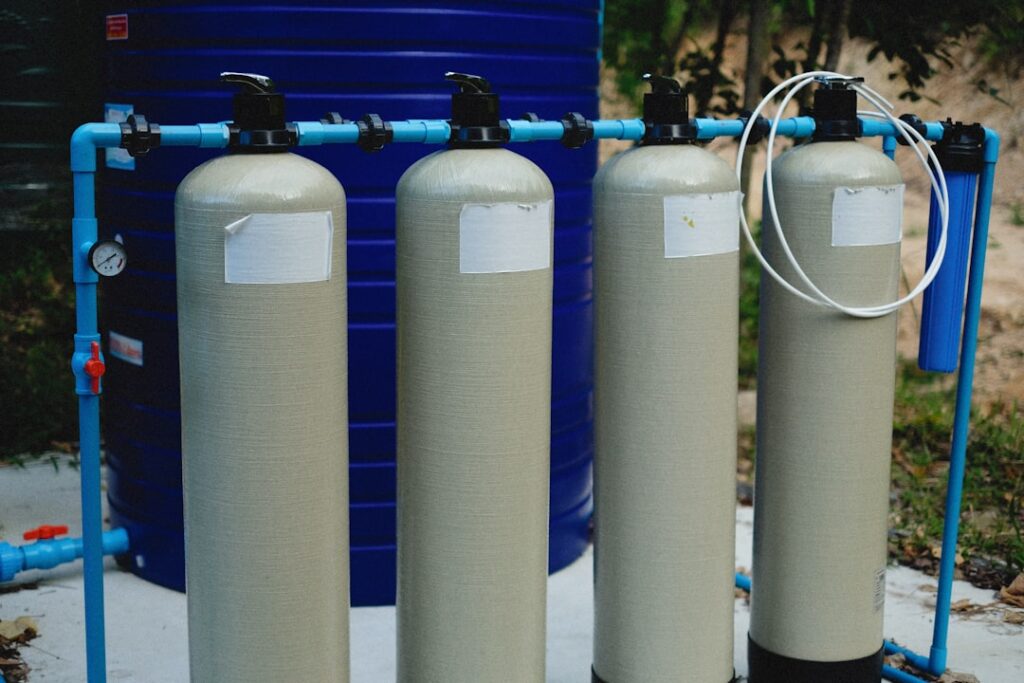
If you live in Dodge City, Kansas, you know the importance of reliable, clean water—whether it’s filling up your cowboy coffee, watering your lawn, or making sure your family drinks safe, great-tasting water every day. With concerns about water quality increasingly on residents’ minds, more people are turning to advanced solutions like reverse osmosis systems for their homes and businesses. But what exactly is reverse osmosis, and how does it work? Let’s explore this innovative water treatment method and how it fits into the Dodge City lifestyle.
What Is Reverse Osmosis?
Reverse osmosis, often abbreviated as RO, is a highly effective water purification process that uses a specialized membrane to remove impurities and contaminants from water. This method has been trusted for decades in industries ranging from healthcare to food preparation—and now, more Dodge City homeowners are discovering its benefits.
Reverse osmosis is one of the few filtration methods that can remove not only large particles like sediment and rust but also dissolved substances, including:
- Salts and minerals (like the infamous hard water minerals so common in the Midwest)
- Chlorine and chemical contaminants
- Heavy metals such as lead or arsenic
- Microorganisms and bacteria
How Does Reverse Osmosis Work?
The basic operation of a reverse osmosis system might sound complicated, but it's fairly straightforward once you break it down. Here’s how it typically works:
- Pre-filtration: Water entering the system first passes through one or more pre-filters to trap sediment, silt, and larger debris. This stage protects the delicate RO membrane from clogging.
- Reverse Osmosis Membrane: The heart of the system is a semi-permeable membrane. Water is pushed against the membrane under pressure, forcing pure H2O molecules through while blocking dissolved impurities and contaminants.
- Post-filtration: After the membrane, the now purified water passes through additional filters (often activated carbon) to remove any lingering tastes or odors, making the water crisp and fresh.
- Storage and Delivery: The clean water is stored in a dedicated tank, ready for use whenever you turn on the tap.
In simple terms, reverse osmosis systems operate by separating clean water from everything else—delivering water that’s noticeably clearer and better-tasting.
Why Dodge City Needs Reverse Osmosis
Dodge City is known for its rich Western history, resilient community, and a rural Kansas landscape where water quality can vary widely from one property to the next. Local water sources sometimes present challenges like high mineral content (leading to hard water), agricultural runoff, or aging municipal pipes.
Reverse osmosis is especially relevant here for a few reasons:
- Hard Water Minerals: RO systems remove calcium and magnesium that cause hard water, helping to prevent scale buildup on appliances—a common issue in Dodge City homes.
- Clean Water for Cooking: Whether you’re prepping a barbecue after a day at the rodeo or making family meals, reverse osmosis provides water free from chlorine and odd flavors, improving the taste of everything you make.
- Health and Peace of Mind: With concerns about contaminants, heavy metals, and unpredictable water issues during dry Kansas summers, many Dodge City families value the confidence that comes with purified RO water.
Common Misconceptions About Reverse Osmosis
Despite its popularity, there are a few myths about reverse osmosis we hear in the Dodge City area:
- *It wastes a lot of water*: Modern residential RO systems are much more efficient, with many units recovering a substantial percentage of water.
- *It removes all minerals*: While RO does filter out minerals, most Americans get essential minerals from food, not water. Plus, some systems offer “remineralization” cartridges for those who prefer a touch of natural mineral taste.
- *It’s too complicated to install*: Many local water service experts offer straightforward installation and maintenance, even in older Dodge City homes.

Is Reverse Osmosis Right for My Dodge City Home?
If you’re considering upgrading your home’s water quality, ask yourself:
- Do you dislike the taste or smell of your tap water?
- Have you noticed mineral buildup in kettles or dishwashers?
- Are you concerned about contaminants or aging water infrastructure?
- Would you like to spend less on bottled water and reduce plastic waste?
If any of these sound familiar, a reverse osmosis system could be a smart investment. Beyond clean drinking water, RO systems can benefit pets, aquariums, and even your houseplants.
Maintaining a Reverse Osmosis System
Like any other water treatment solution, regular maintenance ensures peak performance. In Dodge City’s water conditions, this typically means:
- Changing pre- and post-filters every 6-12 months
- Replacing the RO membrane every 2-3 years, depending on usage and local water quality
- Sanitizing the storage tank annually
Partnering with a reliable local water treatment provider ensures your system continues to deliver outstanding water year after year.
The Dodge City Advantage
Living in Dodge City means embracing tradition while staying open to modern comforts. Integrating advanced water treatment like reverse osmosis helps residents protect their health, homes, and heritage for generations to come. So whether you’re heading out for a day on the prairie or gathering at home, you can trust that your water’s as pure as the wide Kansas sky.
If you have more questions about reverse osmosis or water treatment options that fit your Dodge City lifestyle, connect with a local water treatment professional to learn more.