

 See My Latest Article on HelloNation
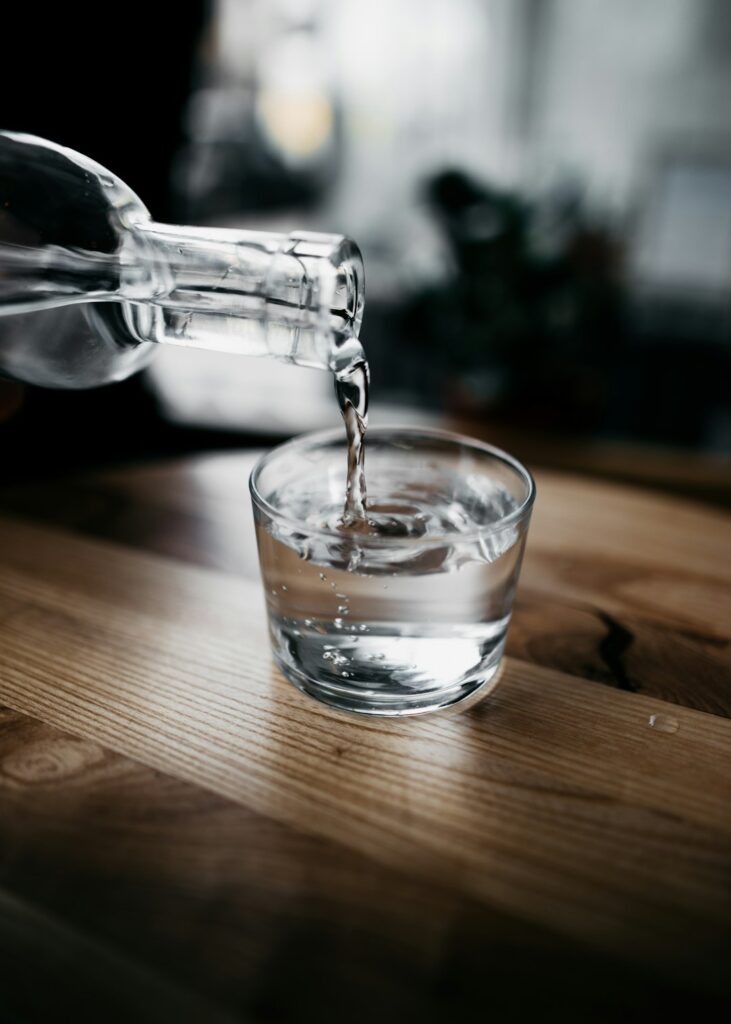
Is Bottled Water Really Safer Than Tap Water in Dodge City, KS?
Many residents wonder if purchasing bottled water offers a safer alternative to local tap water. The answer depends on several factors, including water quality standards, local conditions, and individual household circumstances. Most of the time, tap water in Dodge City meets or exceeds federal and state safety standards, but understanding the differences and what affects each type can help residents make informed decisions.
How Is Tap Water Regulated and Maintained Locally?
Tap water provided to homes in Dodge City is regulated by the U.S. Environmental Protection Agency (EPA) and the Kansas Department of Health and Environment (KDHE). These agencies enforce strict safety standards for public water systems. The local water infrastructure sources, treats, and tests water for contaminants such as bacteria, lead, nitrates, pesticides, and industrial chemicals. Residents can review annual water quality reports, known as Consumer Confidence Reports, to see specific local test results.
In general, during normal operation:
- Water is chlorinated for disinfection.
- Levels of minerals and metals are controlled.
- Samples are tested regularly for numerous potential contaminants.
Local tap water may sometimes have a chlorine taste, but this does not mean it is unsafe. Instead, it’s a sign of effective disinfection.
What Standards Apply to Bottled Water?
Bottled water is regulated by the U.S. Food and Drug Administration (FDA). The regulations are similar to — but not always stricter than — EPA guidelines for public supply water. Bottled water companies are responsible for testing their products, ensuring bottling plant sanitation, and meeting contaminant limits for substances such as bacteria, heavy metals, and some chemicals.
Unlike municipal systems, bottled water facilities are not required to share detailed water quality reports with the public, so consumers often have less information about the source, treatment methods, or any detected contaminants in bottled water.
Are There Common Misconceptions About Bottled Water?
Yes. Many people assume bottled water is always safer or purer than tap water, but that’s not always true:
- Some bottled water is simply filtered tap water.
- Not all bottled water undergoes special purification; labeling can be confusing.
- There is less consistency in reporting testing results to consumers.
Because water can sit in bottles for weeks or months, storage conditions also affect quality. Heat exposure, for example, can cause chemicals from the plastic to leach into the water.
What Are Specific Local Factors to Consider?
Dodge City’s municipal water source is mainly groundwater from the Ogallala Aquifer, known for naturally occurring minerals like calcium and magnesium. The water may have some hardness or mild taste, but this does not affect safety. Flooding or drought conditions can influence water quality by changing the mix of minerals or introducing temporary contaminants, but major events are rare and closely monitored by local authorities.
Households using private wells rather than city water have different risks — these wells are not regulated by the city, so owners are responsible for their own water testing.
Can Water Quality Change Due to Local Conditions or Infrastructure?
While the city’s main water treatment is consistent, water quality at the tap can be impacted by:
- Old pipes in private homes, especially those with lead fixtures or plumbing.
- Stagnation in unused plumbing, which can encourage bacterial growth.
- Seasonal maintenance on the city’s water mains that may temporarily affect taste or clarity.

Residents living in older neighborhoods or homes should consider testing their tap water for lead or other contaminants, particularly if home plumbing has not been updated.
What Contaminants Should Residents Be Concerned About?
Routine monitoring keeps most issues rare, but these are potential local concerns:
- Lead: Older plumbing is the main source if present, not the city’s water supply itself.
- Nitrates: Generally a groundwater issue, more common in agricultural areas and private wells.
- Microbial contamination: Rare in the municipal system, but possible in damaged or improperly maintained private plumbing.
- Disinfection byproducts: Resulting from chlorine reacting with organic material; levels are regulated and monitored.
Bottled water is generally free of microbial contamination but could contain trace plasticizers or other compounds from bottling and packaging.
Is Bottled Water Necessary for Most Households?
For most homes in Dodge City, tap water is safe and reliable. Bottled water can be a practical option during emergencies (such as water main breaks, boil advisories, or natural disasters), if a household has immune-compromised members, or if there are known problems with old in-home plumbing that cannot immediately be fixed.
Otherwise, everyday use of bottled water is generally not more protective of health than using local tap water, especially if filtered or allowed to sit briefly to reduce chlorine taste.
What Practical Steps Improve Water Safety at Home?
Many families choose to use in-home filters (such as activated carbon pitchers or faucet attachments) to further improve taste or remove residual chlorine, lead, or other minor contaminants. Routine maintenance of home plumbing, timely replacement of filter cartridges, and periodic review of public water quality reports provide the best assurance for daily water use in area homes.