

 See My Latest Article on HelloNation
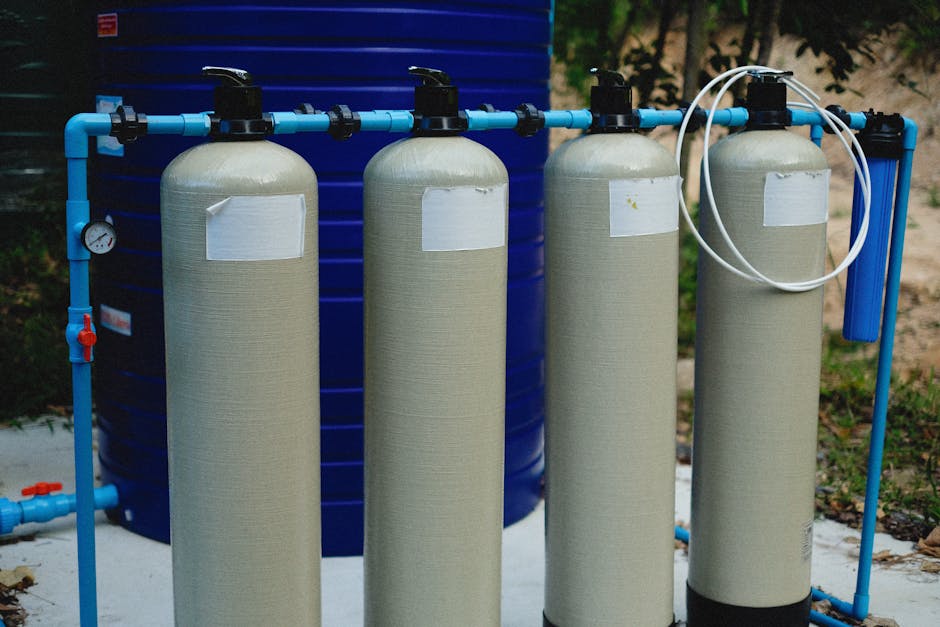
Do Dodge City, KS Residents Need Home Water Filters?
Most Dodge City, KS households receive treated municipal water that meets federal and state safety standards. However, some residents still choose to install water filters due to taste, odor, hardness, or lingering concerns about possible contaminants. While filters are not strictly necessary for safety in most cases, they can offer noticeable benefits, especially for those sensitive to water quality issues or living in older homes.
What Are the Main Reasons People Consider Water Filters Locally?
For many in Dodge City, taste and odor are among the top reasons to consider a filter. The water here is primarily sourced from groundwater wells, which sometimes carry a mineral-rich taste and may have higher hardness levels. Hard water does not pose health risks, but it can leave mineral deposits on faucets, dishes, and appliances, which some residents find bothersome. Some households also report noticing a chlorine taste from municipal disinfection, which activated carbon filters can usually reduce.
Some specific scenarios where filters may be particularly useful locally include:
- Old plumbing: Older homes may have pipes or fixtures that contribute to unusual tastes or introduce small amounts of metals, even if city supply is within standards.
- Well water: Properties outside the city relying on private wells may encounter more variable water quality and greater risk of contaminants.
- Sensitive group needs: Individuals with weakened immune systems, infants, or those with taste sensitivities sometimes benefit from further filtration as a precaution.
Which Contaminants Are Filters Designed to Remove in This Area?
Municipal water in Dodge City is regulated to keep primary contaminants, like bacteria, lead, and nitrates, within safe limits. Still, filters can provide an extra layer of removal for several substances that affect water quality:
- Chlorine and byproducts: Most common tap water filters (like pitcher or faucet types) remove chlorine, which can improve taste and smell.
- Sediment and rust: In areas with older municipal lines or home plumbing, sediment filters help trap small particles, rust, and silt.
- Hardness: Some under-sink and whole-home systems use softening technology, which exchanges minerals like calcium and magnesium for sodium or potassium to reduce scale buildup.
- Trace metals: If old plumbing contributes minor lead or copper, certain filters help reduce these levels.
- Emerging contaminants: Some advanced systems target pharmaceuticals, pesticides, or other trace chemicals, though city testing rarely finds these at concerning levels.
How Effective Are Home Water Filters?
Most widely available water filters are effective for taste and odor improvements, but their ability to remove health-affecting contaminants varies. The type of filter matters:
- Activated carbon filters are excellent for improving taste and removing chlorine.
- Reverse osmosis filters offer broader contaminant removal, including many dissolved solids and certain metals.
- Water softeners don’t filter for health contaminants but do reduce hardness.
It’s crucial for local households to match the filter type to their specific concern. For example, a water softener may not address taste issues, while a simple carbon filter will not remove minerals that cause hard water.
Is Tap Water Safe Without a Filter in Dodge City?
Current testing by city water authorities shows that municipal supplies consistently meet safety standards for regulated contaminants. Boiling water is used only during rare advisories, such as following water main breaks or specific contamination events. Most health experts agree the risk of harmful contaminants in city tap water is very low.
There are exceptions, however. Older homes with outdated plumbing components may have a higher chance of lead or copper leaching. If in doubt, residents can request a local water quality report or consider individual home testing for peace of mind.
Do Water Filters Save Money or Reduce Environmental Impact?
Water filters are generally not a money-saving investment in direct utility costs. Some households use them to avoid buying bottled water, which can provide long-term savings and reduce plastic waste. For many, the decision is driven by comfort and preference over strictly economic reasons.
On the environmental front, using a home filter and reusable bottles results in less waste than single-use bottled water. However, filters themselves (especially disposable cartridges) also generate waste, so choosing filters with longer life spans or recyclable options is helpful.
What Are the Upkeep and Hidden Costs?
One of the most overlooked factors is the ongoing cost and maintenance commitment:
- Filter cartridges need periodic replacement, usually every 2–6 months for pitchers and faucet units, or annually for some larger systems.
- Neglecting filter changes can cause bacteria to grow or reduce a filter’s effectiveness.
- Certain systems require occasional professional maintenance. Some filter types, such as reverse osmosis, waste more water than they purify—a factor to consider in drier periods.
It’s wise to check cartridge costs and the frequency of required changes before selecting a system, as this often exceeds the initial purchase price over time.
Are Any Groups in Dodge City More Likely to Benefit?
While most city residents do not require filtration for health reasons, a few groups commonly find added peace of mind:
- Families with infants or immunocompromised members
- Owners of homes built before the 1980s who are unsure of plumbing material
- Households with strong taste or odor sensitivities
- Those using private wells outside city limits
Before purchasing expensive filtration, households can usually request an annual water quality report or affordable home testing to clarify if targeted filtration is warranted.
Common Misconceptions About Water Filters in This Area
Several beliefs about water filters can influence decisions:
- "Filters make all tap water perfectly pure." Most consumer filters significantly improve taste but do not make water completely free from all contaminants.
- "If water smells or tastes odd, it’s unsafe." Unusual taste or odor does not always indicate a health hazard; often, it is a cosmetic or quality issue.
- "All filters remove the same substances." Products vary widely; choosing the right certification and type is essential for the desired outcome.
- "Filtered water is necessary everywhere." Most city water is safe without additional treatment unless testing or a specific plumbing issue suggests otherwise.
How to Decide if a Water Filter Is Right for Your Household
The decision to invest in a filter should be based on specific needs like hardness reduction, taste, sensitive health conditions, or concerns about plumbing. For many in Dodge City, simple carbon filters offer peace of mind for a reasonable price, but whole-home or specialty systems are usually only needed for unique situations, such as old plumbing or using a private well.
Checking your annual water quality report, assessing your household’s taste preferences, and weighing ongoing maintenance costs will help area residents make an informed choice about water filters.