

 See My Latest Article on HelloNation
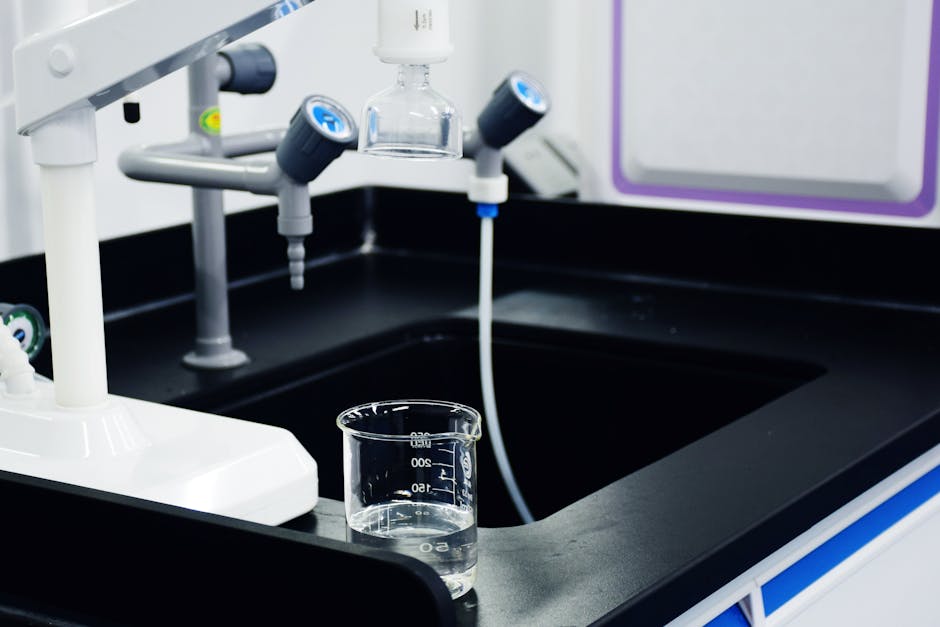
In Dodge City, KS, water is more than just a utility—it's a lifeline for families, agriculture, and daily routines. Whether you’re watering your prized backyard tomatoes or filling a glass from the kitchen tap, ensuring your water is safe and healthy is crucial. While Dodge City benefits from modern utilities, local residents often ask, “How can I check my water quality at home?” This guide will walk you through the essentials of DIY water quality testing, tailored to the unique needs and lifestyle of Dodge City homeowners.
Why Water Quality Testing Matters in Dodge City
Living in western Kansas comes with its own set of water-related challenges. Agricultural runoff, fluctuating well conditions, and older plumbing systems can all affect the quality of the water in your home. Seasonal changes such as spring storms or droughts can also alter groundwater and municipal supplies.
Testing water quality ensures:
- Safe drinking water for your family and pets
- Better-tasting water for cooking and beverages
- Extended appliance lifespan by reducing scale buildup
- Awareness of potentially harmful contaminants
What Can Affect Water Quality in Dodge City?
While Dodge City is surrounded by productive farmland, this also means residents need to be mindful of potential contaminants such as:
- Nitrates from fertilizers
- Pesticides and herbicides
- Hardness due to high mineral content (calcium, magnesium)
- Potential bacteria from livestock or old well systems
The city’s municipal supply is treated and regulated, but private wells and rural homes may have additional risks and should be tested regularly.
Signs You Should Test Your Water
How do you know if it's time to test? Watch for these common signs:
- Cloudy or discolored water
- Metallic, sulfur, or earthy smells
- Unusual taste (bitter, salty, or chemical)
- Plumbing stains (red, blue, or white scaling)
- Recurring gastrointestinal issues among family members
If you have recently moved into a new home, drilled a new well, or experienced flooding or construction nearby, it’s wise to perform a water test.
Types of Water Quality Tests
There are several key parameters commonly tested in Dodge City:
Basic tests:
- pH levels (acidic or alkaline balance)
- Hardness (calcium and magnesium)
- Chlorine (especially if using municipal supply)
- Total dissolved solids (TDS)
Health and safety tests:
- Bacteria (E. coli and coliforms)
- Nitrates and nitrites
- Lead and copper (older homes)
- Pesticides and herbicides (rural wells)
How to Test Water Quality at Home
There are two main methods for home water testing:
1. DIY Water Test Kits
Available at local hardware stores, online retailers, or sometimes distributed at county health fairs, test kits are easy to use and suitable for most Dodge City residents.
What you’ll get:
- Test strips or color-changing tablets
- Simple instructions with comparison charts
How to use:
1. Collect a water sample in a clean container.
2. Dip the test strip or add the tablet as directed.
3. Compare the result to the chart provided.
These kits are great for checking common issues like hardness, chlorine, and pH. For more serious concerns (nitrates, bacteria), opt for specialized kits labeled for those contaminants.
2. Professional Laboratory Testing
For comprehensive and highly accurate results, you can collect a sample and send it to a certified laboratory recommended by local health authorities. This is particularly important for health-based parameters or if there is a history of contamination in your area.
- Dodge City and Ford County health departments can provide resources and recommend approved labs.
- Results from labs cover a wider range of substances and provide numerical data you can track over the years.
Interpreting Your Results
So, you’ve tested your water—now what? Here’s how to read and respond to your findings:
- *Hardness above 120 ppm?* Consider a water softener to protect your appliances and plumbing.
- *High nitrate/nitrite?* This suggests runoff contamination—avoid using this water for infants or pregnant women and seek professional treatment options.
- *Presence of bacteria?* Don’t consume the water until it’s treated. Boiling or chlorination may provide temporary relief, but consult an expert immediately.
- *Off-the-chart lead or copper?* Often related to old plumbing. Solutions may include pipe replacement or point-of-use filtration.
Local Tips for Dodge City Homeowners
*If you rely on a private well*—test your water every spring, after heavy storms, or if you notice changes in taste or appearance.
*Municipal water users*—request your annual water quality report from the city, and supplement with at-home tests for peace of mind.
*Maintain a water testing log*—record all results and dates to spot trends or recurring issues.
When to Call a Professional
DIY testing provides an excellent first line of defense, but if you discover worrisome levels or can’t resolve a problem on your own, it’s time to call a local water treatment specialist. Persistent staining, strange odors, or recurring illnesses deserve a thorough evaluation.
Protecting Dodge City’s Water for the Future
By testing your water regularly, you’re not just keeping your family safe—you’re helping to preserve the community resource Dodge City relies on. Encourage neighbors to test, share resources, and participate in local water awareness programs.
Final Thoughts
With a little know-how and the right tools, any Dodge City resident can take control of their water quality. From basic DIY kits to professional laboratory analysis, understanding and testing your water is an essential part of rural and small-town living. Prioritize water safety for a healthier home and a stronger community.