

 See My Latest Article on HelloNation
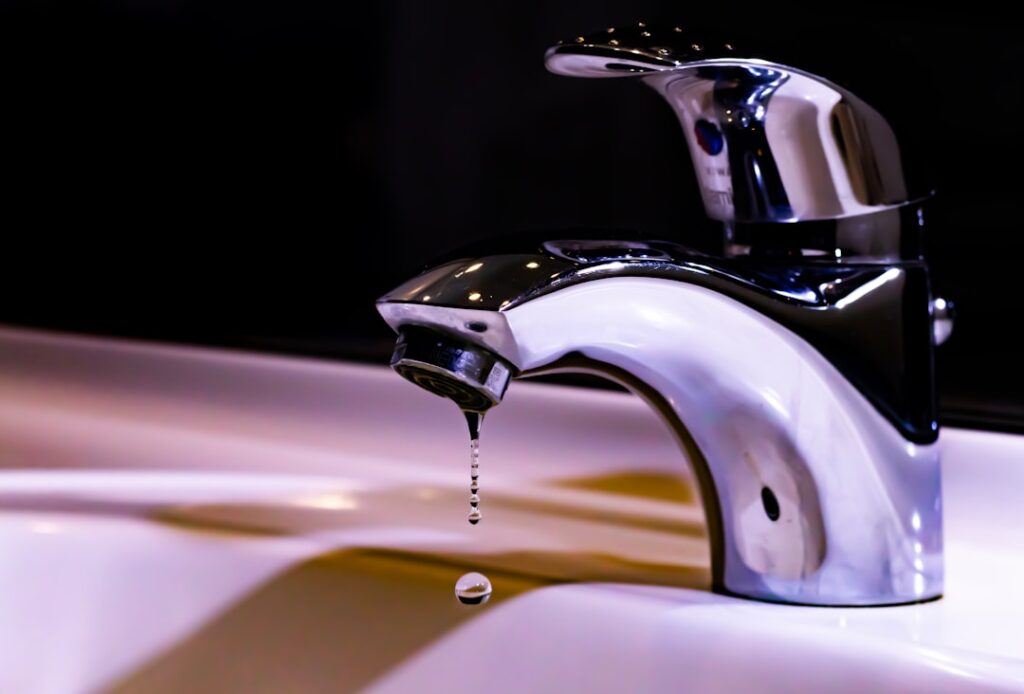
Why Does Tap Water Taste or Smell Odd in Dodge City, KS?
The taste and smell of tap water can vary significantly from household to household in Dodge City, KS. Many residents notice issues like a chlorine scent, earthy taste, or musty odor, which can stem from both natural and treatment-related factors.
Dodge City draws much of its water from groundwater sources that often contain naturally occurring minerals and, at times, organic materials. These can interact with disinfectants, such as chlorine, used for public health protection. Seasonal changes, agricultural runoff, and water main maintenance may also briefly alter water characteristics. Most of these changes are harmless but can be unpleasant or unfamiliar, especially for those new to the area or sensitive to taste or smell.
What Causes Specific Tastes and Odors in Area Tap Water?
Common causes for tap water issues in the city include:
- Chlorine or Chemical Smell: Water utilities add chlorine to disinfect and keep water safe. Some people notice this more than others, especially after pipe flushing or maintenance.
- Earthy or Musty Taste: This sometimes comes from harmless tiny algae or bacteria naturally present in water sources — filtered out by the time water reaches your tap, but trace compounds can linger.
- Metallic Flavor: Old plumbing in some Dodge City homes may release trace minerals like iron or manganese, especially after system repairs or long periods of disuse.
- Sulfur or Rotten Egg Smell: Rare in municipal supplies but possible if plumbing has sat unused or if water heaters have built up bacteria that convert sulfate to hydrogen sulfide.
- Salty or Bitter Taste: Can occur after certain repairs or drought conditions, where mineral concentrations become more noticeable.
How Can Residents Improve Taste and Odor at Home?
Improving water flavor and aroma at home usually starts with simple solutions:
1. Let Water Sit Uncovered for a Few Hours
- Chlorine in tap water can evaporate if water is left in an open pitcher for a few hours in the refrigerator. This may noticeably improve the taste for those sensitive to disinfectants.
2. Use a Faucet-Mounted or Pitcher Filter
- Most modern water filters designed for residential use are effective at removing or reducing chlorine, odors, and some minerals. Filters using activated carbon are particularly good at this.
- Always replace the filter as directed to prevent bacteria buildup and keep performance consistent.
3. Flush Stagnant Water
- If water has not been used in several hours (overnight or after a trip), letting it run cold for 30 seconds to 2 minutes can clear out the pipes and improve taste.
4. Maintain Water Heaters
- Draining and flushing water heaters annually can reduce odors caused by bacterial growth, especially if noticing smells from hot water only.
5. Clean Aerators and Faucet Screens
- Mineral or sediment build-up in faucet screens can trap odors and tastes. Unscrewing and cleaning these can make a difference, especially after plumbing work.
Is Tap Water Safe to Drink?
Most tap water in Dodge City consistently meets or exceeds federal and state safety standards. Taste and odor issues, while sometimes unpleasant, are not usually associated with health risks. However, if water changes suddenly—such as turning discolored, having a strong rotten egg odor that persists, or showing visible particles—residents should contact the local utility and avoid using it until resolved.
For those with specific health concerns, immune system issues, or questions about children’s water use, reviewing annual water quality reports from public sources can provide added peace of mind.
Can Water Quality Vary by Neighborhood?
Yes, tap water experience can differ across Dodge City neighborhoods due to:
- Plumbing Age and Condition: Older homes may have pipes or fixtures that add slight metallic tastes or trap residues.
- Distance from Treatment Plants: Households located farther from municipal treatment facilities might occasionally notice more noticeable chlorine or sediment, especially after major water main work or seasonal flow adjustments.
- Household Routine: Water left stagnant in pipes — common in homes with infrequent occupancy — may carry more taste or odor until flushed.

Discussing concerns with neighbors can help distinguish house-specific issues from those affecting the broader community.
What Mistakes Do People Commonly Make When Trying to Fix Tap Water Taste?
Several well-intentioned fixes either don’t help or might introduce new issues:
- Boiling Water for Taste: While boiling can remove chlorine, it will not eliminate most minerals or volcanic/sulfur smells and can concentrate other tastes.
- Using Old Filters: Failing to replace or maintain water filters can actually worsen taste and introduce bacteria.
- Ignoring Manufacturer Instructions: Using off-label replacement cartridges or not installing filters properly may reduce effectiveness.
- Trying to Mask Flavors: Adding strong flavors (like lemon) may help as a short-term measure but does not address root causes if there’s an underlying problem.
Are There Long-Term Solutions for Persistent Taste or Odor?
If basic home interventions do not improve taste or odor, some residents choose more robust options:
Installing point-of-use systems (such as under-sink reverse osmosis or multi-stage filtration) can target persistent mineral, chlorine, or organic compounds, though these require careful installation and regular upkeep.
Before making upgrades, residents may want to:
- Check if water supply reports cite any temporary change
- Compare taste from different faucets or after flushing pipes
- Discuss with others nearby to establish if the issue is widespread or specific to the home
When Should Residents Seek Further Guidance?
If water taste or smell suddenly worsens, impacts daily use, or appears along with discoloration or visible particles, it may signal a plumbing or water main issue rather than a routine adjustment. Local water utilities can provide updates on system changes, scheduled maintenance, or test for specific concerns.
Understanding the natural and seasonal causes behind water characteristics in Dodge City can make it easier to troubleshoot and address routine taste or odor adjustments, using the simplest effective approach.