

 See My Latest Article on HelloNation
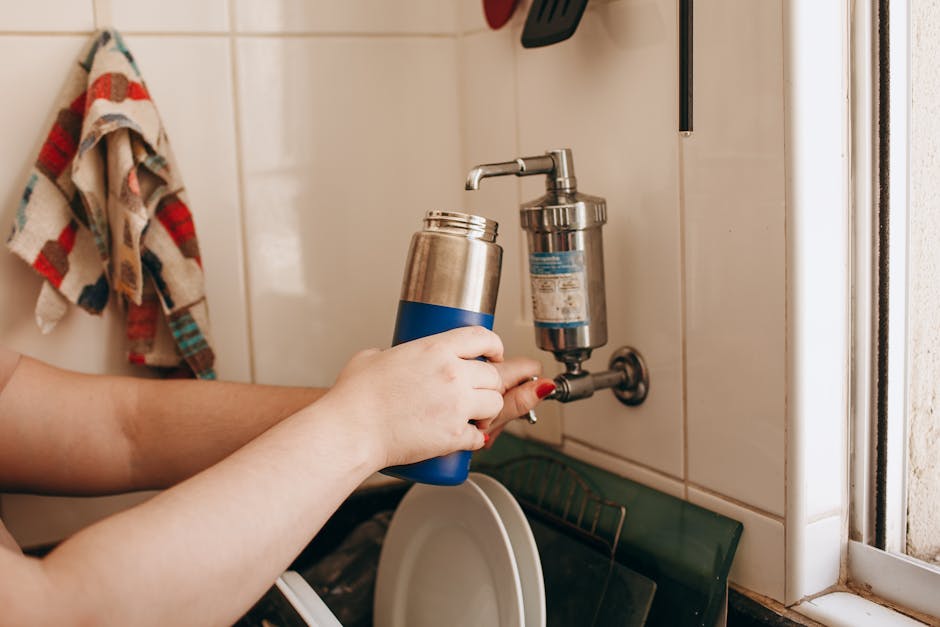
How Frequently Do Most Homes in Dodge City, KS Need Filter Changes?
Most local households should change their water filters every 2 to 6 months, depending on filter type and water usage. Some filters last longer, but many common systems, like pitcher filters and under-sink cartridges, need regular attention to maintain water quality and flow. The region’s hard water and potential for sediment buildup often influence the replacement schedule here.
Factors like the number of people in your home, how much water you use for drinking and cooking, and which type of filter you have (whole house, refrigerator, under-sink, etc.) can all affect how quickly a filter clogs or loses efficiency.
What Determines How Often a Water Filter Needs Changing?
Several conditions influence the optimal replacement interval for home water filters in the city:
- Filter Type: Pitcher filters usually need changing every 2–3 months. Under-sink and faucet-mounted cartridges often last around 3–6 months. Whole-house filters can range from 3–12 months, depending on media, use, and water conditions.
- Local Water Quality: Dodge City’s water tends to have higher levels of minerals (hardness) and occasional sediment, especially after heavy rainfall or during drought-related well water fluctuations. Hard water and sediment shorten filter lifespan.
- Household Size and Usage: More residents or increased water use—such as watering gardens or frequent laundry—can wear out filters faster.
- Manufacturer Recommendations: Always check the packaging or manual for model-specific guidance, but be prepared to adjust for heavier use or harder water.
An easy rule of thumb for area homes: If your water begins tasting “off,” smells unusual, or you notice a drop in water pressure, it’s probably time for a new filter regardless of the calendar.
Are There Seasonal or Local Issues That Affect Filter Life?
Yes, local climate and municipal conditions do play a role:
- Dodge City’s semi-arid climate creates large seasonal swings in water demand. During hot, dry summers, increased water usage puts more load on filters, potentially shortening their useful life.
- In spring, sediment and silt can wash into supply lines after storms when surface runoff is higher, causing filters to clog faster.
- Occasional municipal line flushing or well-sourced water affected by drought may increase particulate levels.
Residents using private wells or living at the edges of city infrastructure may experience more variable water quality and benefit from checking and changing filters more often during high-use or high-sediment seasons.
What Are Common Signs That a Filter Needs Replacing?
Even if you write reminders on the calendar, sometimes filters outlast or fall short of their expected schedule. Look for these practical signs in your Dodge City home:
- Noticeable drop in water flow rate from your faucet or refrigerator
- Unusual tastes or odors, especially a musty or earthy flavor
- Water looks cloudy or contains visible particles
- Filter cartridge feels heavy, gritty, or discolored if removed
- Difficulty filling pitchers or a slow trickle from filtered water spouts
Ignoring filter changes can let contaminants, sediment, or mineral buildup through, impacting both water quality and appliance function.
Do Hard Water and Local Minerals Affect Filter Life?
Area water commonly contains higher levels of calcium, magnesium, and sometimes iron—typical of the region’s groundwater sources. These minerals:
- Can clog or coat filter media more quickly than softer water
- May lead to scale buildup, reducing both flow rate and effectiveness
- Shorten expected filter lives compared to national averages
For certain filter types, especially those rated only for taste and odor, consider shorter replacement intervals unless using specialized cartridges designed for hard water.
How Should Households Keep Track of Replacement Timing?
Many local residents find it helpful to set a recurring reminder on their phone or calendar for a timeframe slightly shorter than the advertised maximum—every two months for pitchers, four to five months for most faucet or countertop systems. Labeling filters with the installation date can also help.
Some whole-house or advanced under-sink systems include indicator lights or dials. If your filter doesn’t, rely on taste, flow, and a conservative replacement schedule tailored to Dodge City’s typical water conditions.
What Happens If You Wait Too Long to Change a Filter?
Delayed filter changes often cause:
- Unfiltered contaminants making it into your glass
- Faster appliance wear due to sediment or scale build-up
- Increased risk of bacterial growth in carbon-based filters left too long, especially if not used regularly
- Potential for foul tastes, odors, or visual cloudiness
For area households, where hardness and minerals are a recurring challenge, staying on top of replacements is especially important for both health and home maintenance.
Are Some Filters More Suited to Dodge City Conditions?
Homes drawing from well water or older pipes may benefit from sediment pre-filters or cartridges designed for high-particulate or hard water environments. While basic taste-and-odor filters suffice for many, those struggling with mineral deposits, rusty tastes, or heavy sediment should choose products designed for regional water conditions.
Checking with local water quality reports or testing your home’s tap water can help narrow down the best filter type and replacement schedule for your situation. If dealing with unusual water color or persistent taste/smell issues, look into multi-stage filtration or periodic system flushes as part of your maintenance routine.