

 See My Latest Article on HelloNation
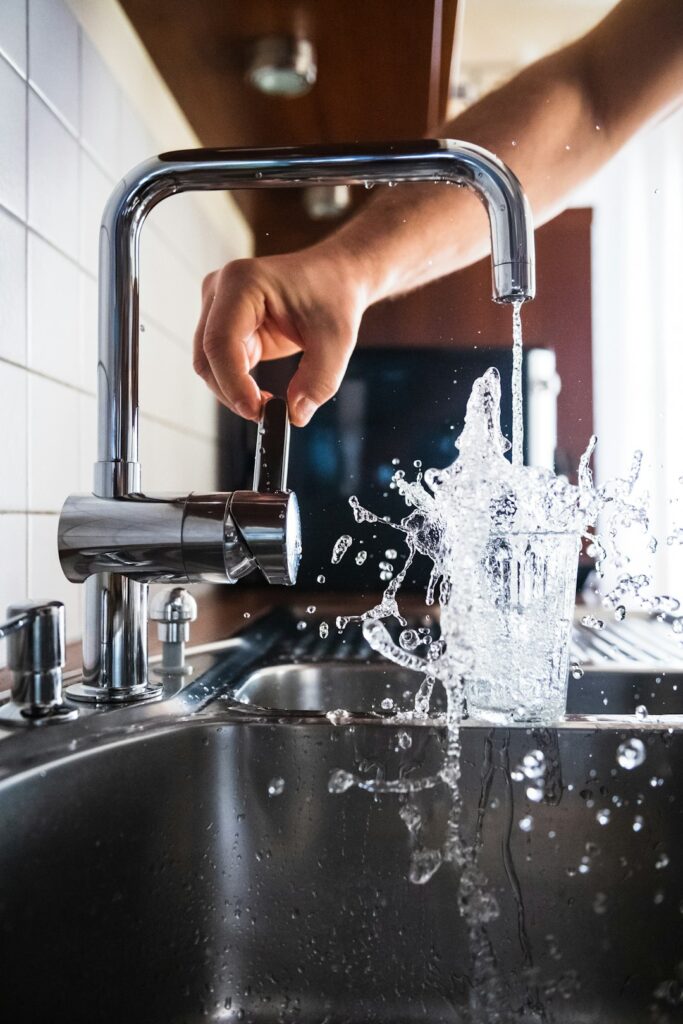
Why Is Chlorine Added to Tap Water in Dodge City, KS?
Chlorine is added to public drinking water in Dodge City, KS as a disinfectant. The main purpose is to kill bacteria, viruses, and other microorganisms that could make people sick. Without effective disinfection, waterborne diseases could spread quickly, especially in a region where large municipal systems supply homes and businesses.
Kansas regulations require public water systems to use methods like chlorination to prevent illness. Chlorine has been used in American water treatment for over a century due to its reliability and relatively low cost.
Is the Chlorine Level in Dodge City Water Safe to Drink?
Yes, the amount of chlorine found in Dodge City tap water falls well within safety standards set by the Environmental Protection Agency (EPA) and the Kansas Department of Health and Environment. These agencies monitor local water supplies to ensure chlorine does not reach levels that could cause harm to area residents.
- The legal maximum for chlorine in drinking water is 4 parts per million (ppm).
- Typically, municipal water in Dodge City contains chlorine in the range of 0.5 to 2 ppm—enough to kill microbes but low enough for safe daily use.
It's normal for some people to notice a faint "swimming pool" smell or taste from chlorine, especially during warmer months when doses may be increased to combat higher bacteria levels. However, most residents receive chlorine levels regarded as safe for people of all ages, including infants and those with chronic illnesses.
Does Chlorine in Tap Water Have Health Effects?
At the levels present in Dodge City’s water supply, chlorine does not cause short-term or long-term health problems for most people. Drinking, cooking with, or bathing in chlorinated water is considered safe for nearly all households.
However, in rare cases, a few residents may experience:
- Minor irritation of the eyes or skin when bathing, especially if they have sensitive skin.
- A mild taste or odor that some people find unpleasant.
These effects are generally temporary and not considered a health risk. Chlorine reacts with naturally occurring organic matter in water to form compounds called disinfection byproducts. The city’s water utility monitors these byproducts to make sure they never exceed regulatory limits.
What About Chlorine and Pets, Gardens, or Aquariums?
Chlorinated tap water is safe for dogs, cats, and most common household pets. For garden irrigation and lawn care, the trace chlorine in tap water does not harm plants in typical residential outdoor use.
Careful attention is required if you keep fish or aquatic pets. Chlorine can be dangerous to aquarium life, so it’s recommended to let tap water sit out for 24 to 48 hours, or use drops or conditioners designed to neutralize chlorine, before adding it to tanks.
Why Might Chlorine Smell Stronger at Certain Times?
Some Dodge City residents notice a stronger chlorine odor in summer or after water system maintenance. This is usually due to:
- Seasonal increases in chlorine dosage to fight bacteria in warmer water temperatures.
- System repairs or flushing, which can bring treated water with a fresher, more noticeable chlorine scent to area homes.
- Changes in indoor plumbing or recent renovations can sometimes temporarily amplify odor or taste until pipes stabilize.
Letting cold tap water run for a minute before using it for drinking or cooking often lessens the chlorine smell or taste.

Can Chlorine Taste or Odor Be Reduced at Home?
If the taste or smell of chlorine is bothersome, several practical steps can help:
- Leave a pitcher of tap water uncovered in the refrigerator for a few hours; chlorine naturally dissipates as a gas.
- Use an NSF-certified filter pitcher, faucet filter, or under-sink filter designed to reduce chlorine. These are widely available and effective.
- Cooking or boiling water also removes residual chlorine, but is not necessary for safety.
For most Dodge City homeowners, these steps are optional, since chlorine levels are already within safe limits for daily use.
Are There Alternatives to Chlorination for Public Water Disinfection?
Chlorine remains the most widely used method for disinfecting municipal water because it continues to protect water as it travels through pipes to homes. Some cities use alternatives like chloramine, ozone, or ultraviolet light, but these still require controls and sometimes add secondary disinfectants to maintain safety in long pipe networks.
Since Dodge City relies on municipal groundwater and local water treatment plants, chlorine is currently the most practical way to balance reliable sanitation with public health protection.
What Should Residents Do if They Are Concerned?
Area residents concerned about tap water taste, smell, or possible health effects can:
- Review Dodge City’s annual Water Quality Report (sometimes called a Consumer Confidence Report), which details testing results and regulatory compliance for chlorine and other substances.
- Flush taps after extended periods of non-use if chlorine odor seems particularly strong.
- Reach out to local public works or the city’s water utility for more information about monitoring practices and seasonal fluctuations.
Water boiling, extra filtering, or purchasing bottled water is generally unnecessary unless there is an official boil-water notice or known water main breaks. Drinking tap water in the city—chlorinated or not—remains one of the safest options for residents.