

 See My Latest Article on HelloNation
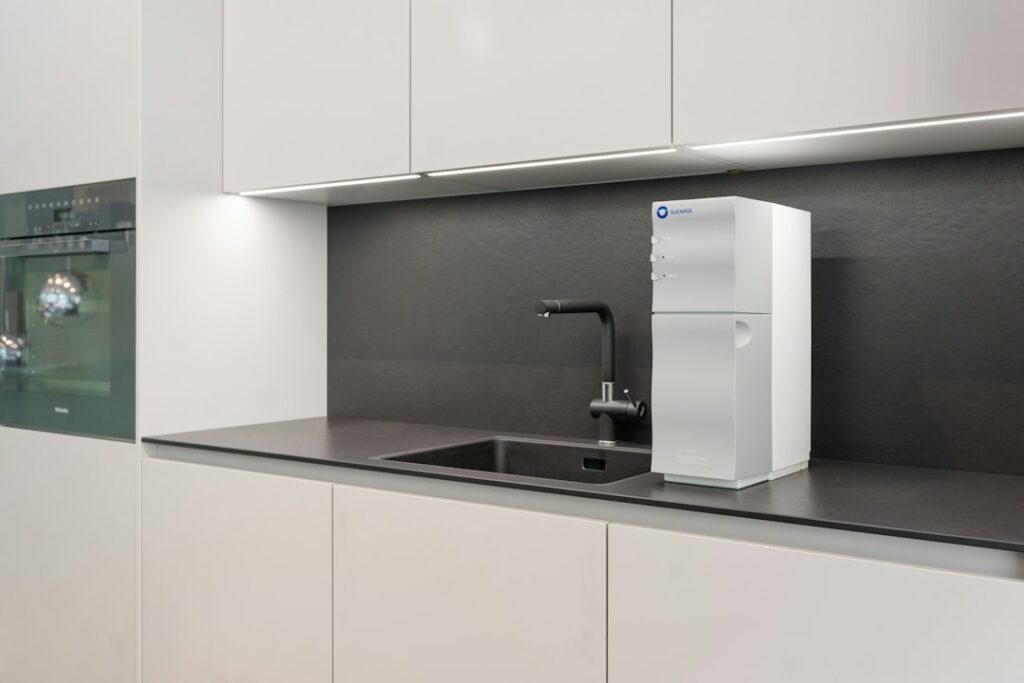
What is a point-of-use water filter?
A point-of-use water filter treats water at one specific location, such as a kitchen faucet, refrigerator dispenser, countertop pitcher, or under-sink drinking-water tap. Unlike a whole-house system, it does not filter every gallon entering the home.
For residents of Dodge City, KS, this distinction matters because the city’s public water supply is drawn from groundwater in the Ogallala Aquifer, and the municipal system publishes annual reports describing monitored contaminants and compliance with drinking-water standards. The 2025 report states that the system met or surpassed applicable state and federal health requirements. ([dodgecity.org](https://www.dodgecity.org/189/Water-Division?utm_source=openai))
A point-of-use filter may still be useful for taste, odor, sediment, or a specific contaminant concern. It should be viewed as targeted treatment rather than a general solution for every water problem.
What are the main advantages?
The strongest benefit is focused treatment. A filter installed at the kitchen sink can treat water used for drinking, cooking, making ice, or filling a pet’s bowl without requiring treatment of water used for bathing, laundry, or outdoor activities.
Other potential advantages include:
- Lower initial cost: A pitcher or faucet-mounted unit usually costs less than a whole-house treatment system.
- Less plumbing modification: Many models connect directly to an existing faucet or water line.
- Reduced treated-water waste: Because only drinking water is filtered, fewer gallons may be processed unnecessarily.
- Better taste and odor: Activated carbon can reduce chlorine-related taste and some organic compounds.
- Convenience: Refrigerator and under-sink systems provide filtered water where it is commonly used.
- Targeted contaminant reduction: Certified products may reduce substances such as lead, certain chemicals, sediment, or microorganisms, depending on the filter design.
Point-of-use treatment can be especially practical for households that want improved drinking-water taste but do not need treated water throughout the entire house.
Can a point-of-use filter help with hard water?
Usually, no. Standard carbon filters are not designed to remove the calcium and magnesium minerals that cause hardness.
Hard water may contribute to:
- Scale on faucets and appliances
- Spots on dishes and glassware
- Reduced soap lather
- Mineral buildup in coffee makers and humidifiers
- Shorter service life for some water-using equipment
A point-of-use filter may make drinking water taste better, but it generally will not prevent scale in showers, water heaters, washing machines, or plumbing. A water softener or other treatment method is a separate consideration, and the appropriate choice depends on water testing and household needs.
This is one of the most common misunderstandings: a filter that improves taste is not necessarily a softener, and a softener is not necessarily a drinking-water purifier.
What are the disadvantages?
The main drawback is limited coverage. Water is treated only at the selected outlet, so untreated water still flows through the rest of the home. That may be perfectly acceptable for drinking-water goals, but it does not address whole-house concerns such as scale, staining, or a plumbing-related issue.
Maintenance is another important consideration. Filters become less effective as they fill with sediment or adsorption sites. If a cartridge is used beyond its rated capacity, water may continue flowing while contaminant reduction declines. Some neglected housings can also collect sediment or develop unpleasant odors.
Other disadvantages include:
- Ongoing replacement costs: Cartridges may need replacement every few months or according to gallon limits.
- Variable performance: Two filters that look similar may reduce very different contaminants.
- Slower flow: Fine filtration, reverse osmosis, and specialty media can reduce water pressure or dispensing speed.
- Installation limitations: Faucet-mounted and under-sink units may not fit every faucet or cabinet.
- Wastewater: Reverse-osmosis systems commonly send some water to the drain during production.
- No guarantee against plumbing problems: A filter cannot correct contamination entering from old household plumbing after the treatment point.
- Potential for false reassurance: Clear, good-tasting water is not proof that every contaminant has been removed.
Which type of filter is best for common household needs?
The right choice depends on the problem being addressed, not simply on the number of filter stages.
Pitcher and refrigerator filters

These are convenient for improving taste and reducing some common contaminants. They typically have modest capacity and require frequent attention to cartridge replacement. They may be a reasonable choice for renters, small households, or people who want limited treatment without changing plumbing.
Faucet-mounted filters
These provide filtered water directly from the faucet and are relatively simple to install. They may not work with pull-out, spray, or specialized faucets, and they can be inconvenient when washing dishes or filling large containers.
Countertop filters
Countertop units offer more capacity than many pitchers while avoiding permanent installation. They require counter space and may need a diverter connection at the faucet.
Under-sink carbon systems
These generally provide better convenience and higher capacity than pitchers or faucet-mounted units. A separate drinking-water faucet keeps the main sink faucet available for ordinary use. Installation may require cabinet space and a connection to the cold-water line.
Reverse-osmosis systems
Reverse osmosis can reduce a broad range of dissolved substances, but it is more complex than ordinary carbon filtration. It may produce wastewater, require multiple cartridges, and remove minerals that some people prefer to retain. Storage tanks, membranes, and prefilters also require maintenance.
Ultraviolet treatment
Ultraviolet systems are designed to inactivate certain microorganisms, not to remove hardness, metals, sediment, or most dissolved chemicals. They work best when water is clear enough for the light to pass through and when the system is properly maintained.
How should residents choose a filter?
Start with the water concern. If the issue is mainly taste or odor, an activated-carbon filter may be sufficient. If the concern involves lead, arsenic, nitrate, fluoride, bacteria, or another specific contaminant, choose a product that is independently certified for that contaminant.
Look for:
- The exact contaminant-reduction claim
- A recognized certification, such as NSF/ANSI testing applicable to the product
- The filter’s rated capacity in gallons or months
- Replacement-cartridge availability
- Installation requirements
- Flow-rate limitations
- Whether the system produces wastewater
The annual consumer confidence report is a useful starting point for understanding the public water supply. However, that report describes system-level monitoring and does not necessarily identify conditions inside an individual home. Homes with older plumbing, private wells, recent construction, or unusual water-use patterns may require separate testing. KDHE explains that consumer confidence reports include the water source, monitored contaminants, and whether the system met state and federal standards. ([kdhe.ks.gov](https://www.kdhe.ks.gov/531/Consumer-Confidence-Reports?utm_source=openai))
What maintenance does a point-of-use filter require?
Replace cartridges on schedule, even if the water still tastes normal. Mark the installation date on the housing or calendar. Wash reusable pitchers and housings according to the manufacturer’s instructions, and sanitize components when recommended.
For under-sink and reverse-osmosis systems, inspect tubing and connections for leaks after cartridge changes. A filter that has been unused for an extended period should be serviced before drinking from it. If water develops an unusual odor, color, or taste, stop using the treated outlet until the cause is understood.
A point-of-use filter can be a sensible household tool, but its value depends on matching the technology to the actual concern and maintaining it consistently. In a groundwater-dependent community, practical decisions begin with the published water-quality information, the condition of the home’s plumbing, and the specific purpose of treatment—not with the number of stages printed on a package.