

 See My Latest Article on HelloNation
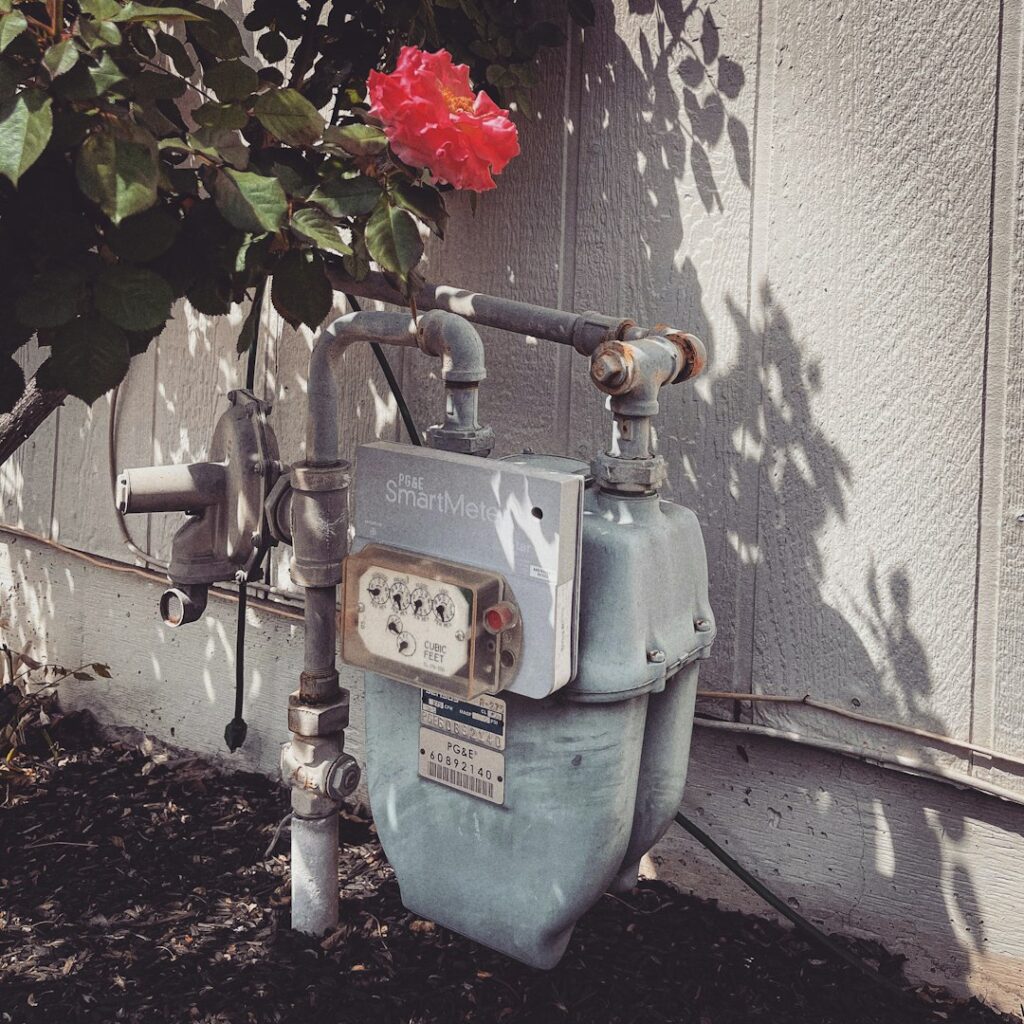
Water leaks are often easier to detect when a pipe bursts or a faucet will not shut off. More commonly, leaks begin as slow, hidden water loss beneath a sink, behind a wall, under a floor, or near water-treatment equipment. In Dodge City, KS, dry conditions and seasonal temperature changes can make a small leak harder to notice because water may evaporate quickly or seep into soil before creating visible puddles.
Finding a leak early can help limit structural damage, mold growth, wasted water, and changes in water quality. The following checks can help area households determine whether unusual water use is caused by a plumbing leak.
What are the first signs of a water leak?
The most common early signs are unexplained water use, damp areas, changes in water pressure, or sounds of running water when all fixtures are turned off. A leak may also appear as a sudden change in how water-treatment equipment operates.
Watch for:
- A water meter that continues moving when no water is being used
- Higher-than-usual water bills without a change in household habits
- Damp cabinets, flooring, walls, or ceilings
- Peeling paint, bubbling drywall, or discolored surfaces
- Musty odors near plumbing fixtures
- Water stains that grow or return after cleaning
- Low or fluctuating water pressure
- A toilet that refills or runs periodically
- Unusual sounds behind walls or beneath floors
- Standing water near a water heater, softener, filter, or pressure tank
Not every sign points to a plumbing leak. Condensation, roof runoff, appliance discharge, and groundwater can create similar symptoms. The location, timing, and pattern of the moisture usually provide useful clues.
How can the water meter test confirm a leak?
A water meter test is one of the simplest ways to check for hidden water loss. First, turn off every fixture and water-using appliance in the home. This includes faucets, toilets, washing machines, ice makers, irrigation systems, humidifiers, and water-treatment equipment that may use water during a regeneration or flushing cycle.
Once everything is off, look at the meter. Many meters have a small leak-detection indicator that moves even when only a small amount of water is passing through. Record the reading, wait 30 to 60 minutes without using water, and check it again.
If the reading changes, water is likely moving somewhere in the system. A very small change may indicate a slow leak. A faster change suggests a larger leak or a fixture that is not fully shut off.
For a more complete test, record the meter reading before going to bed and check it again in the morning. Make sure no toilets, appliances, or treatment equipment are scheduled to run overnight. A measurable change is a strong reason to investigate further.
Could the toilet be causing hidden water loss?
Yes. Toilets are among the most common sources of silent leaks because water can pass from the tank into the bowl without producing an obvious sound. The problem may involve a worn flapper, a faulty fill valve, or a float that is set too high.
A simple dye test can help. Add a few drops of food coloring to the toilet tank, but do not flush. Wait about 10 to 15 minutes. If colored water appears in the bowl, the tank is leaking.
Do not leave dye in the tank for an extended period because it may stain some components. A toilet leak can waste a substantial amount of water over time, even when the bowl looks normal and the toilet only runs occasionally.
Where should you look for leaks indoors?
Start with locations where water connections are concentrated. Open the cabinets beneath kitchen and bathroom sinks and feel the supply lines, shutoff valves, drain connections, and cabinet floor. Check around the dishwasher, washing machine, water heater, and refrigerator water line if one is present.
Look for:
- Corrosion or mineral buildup around fittings
- Wet insulation or swollen cabinet material
- Loose connections
- Water marks beneath pipes
- Damp flooring near appliances
- Cracks in flexible hoses
- Moisture that appears only after a fixture is used

Behind walls, leaks may show up as soft drywall, faint staining, peeling trim, warped flooring, or a damp odor. A ceiling stain can indicate a leak from plumbing or an appliance above, but it can also come from the roof. The stain’s location does not always match the actual source because water can travel along framing before becoming visible.
Can outdoor plumbing leak without forming a puddle?
Yes. Outdoor leaks may soak into dry soil instead of collecting on the surface. This is especially easy to miss in a dry, windy climate. Look for unusually green vegetation, soft ground, persistent mud, algae, or areas where soil stays damp after surrounding ground has dried.
Check hose connections, exterior faucets, underground irrigation lines, and the supply line between the meter and the house. An outdoor faucet that drips only when connected to a hose may be leaking at the connection or within the faucet itself.
If the water meter moves while all indoor fixtures and outdoor faucets are off, the leak could be underground or inside the structure. Avoid digging around buried lines unless the location of utilities is known and the work can be done safely.
How can water-treatment equipment be checked?
Water softeners, filters, reverse-osmosis units, and other treatment devices have valves, tubing, drains, and connection points that can leak. Inspect the floor around the equipment and look for slow drips, wet fittings, salt residue, or mineral deposits.
A treatment system may also send water to a drain during regeneration, flushing, or filter cleaning. That flow is not automatically a leak. However, continuous discharge, repeated cycling, or water entering a drain when the equipment should be idle may indicate a control-valve, timer, float, or plumbing problem.
If a treatment unit is connected to a drain with an air gap, check that the drain line is secure and positioned correctly. A loose or poorly supported line can release water onto the floor or allow backflow conditions that affect sanitation.
What should happen if a leak is found?
For an active leak, shut off the nearest fixture valve if possible. If water is spreading, the main household shutoff may be necessary. Turn off electricity to any appliance or outlet exposed to water only if it can be done without standing in water or entering a hazardous area.
Remove standing water promptly and move items away from the affected area. Do not use electrical equipment in wet conditions. Water near electrical wiring, a water heater, or a furnace requires extra caution.
A small visible leak may be manageable with a replacement washer or tightened connection, but hidden leaks, damaged supply lines, sewage-related water, and water near electrical systems present greater risks. Those conditions may require qualified assistance to prevent injury, contamination, or additional property damage.
How can leaks be prevented?
Routine observation is more useful than waiting for a large failure. Check under sinks, around appliances, near treatment equipment, and at exterior faucets several times each year. Replace deteriorated hoses and avoid storing heavy items against exposed plumbing.
During freezing weather, protect vulnerable pipes and disconnect outdoor hoses. Even though prolonged freezes may be intermittent, a frozen pipe can split and leak after temperatures rise. After a cold spell, inspect exposed plumbing and watch for delayed moisture.
Keeping a record of normal water use can also help. A sudden increase in consumption is often the earliest warning that a fixture, buried line, appliance, or treatment component is using water when it should not.