

 See My Latest Article on HelloNation
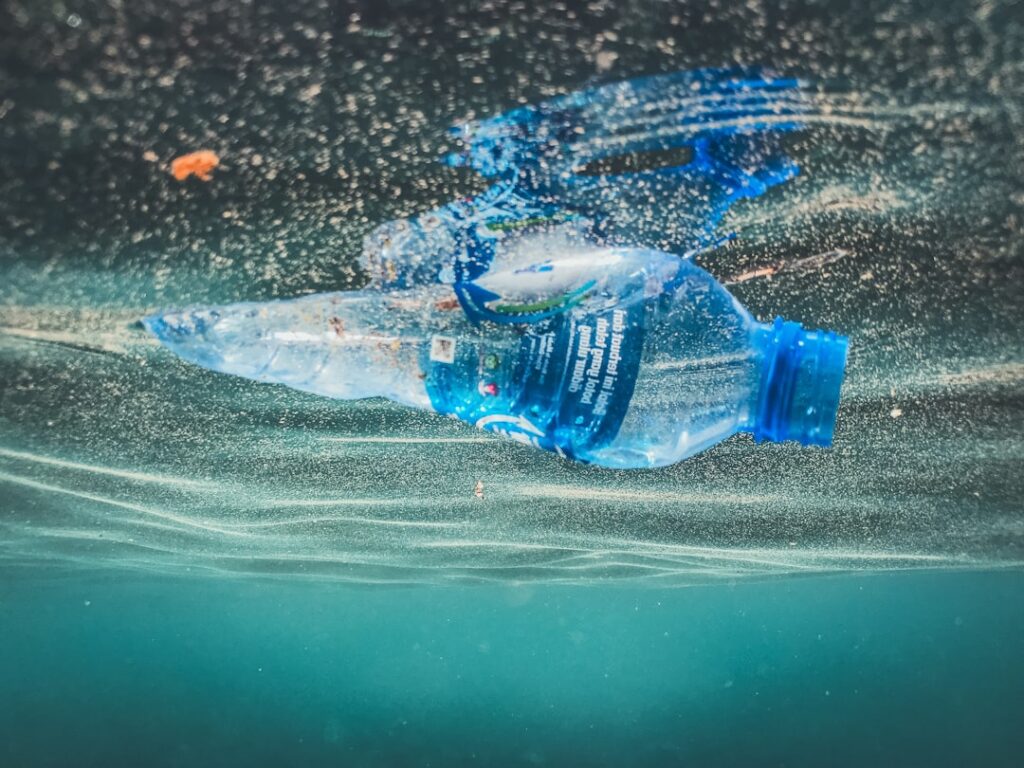
Why Do Residents of Dodge City, KS Rely on Bottled Water?
Many area households purchase bottled water for convenience, taste preferences, or concerns about tap water safety. The dry climate and hot summers common in Dodge City often cause increased water consumption, prompting families and individuals to reach for ready-to-drink options during outdoor events, school sports, or travel. Some residents also purchase bottled water as a backup during local boil water advisories or after severe weather events that risk water contamination.
What Happens to Plastic Water Bottles After Disposal in the Community?
Most single-use plastic bottles used in the city are made from PET (polyethylene terephthalate), which is technically recyclable. After use, bottles placed in recycling bins may be collected by local sanitation services, but the effectiveness of recycling efforts can vary. Factors in Dodge City — such as access to curbside recycling, public event waste management, and individual recycling habits — all affect what ultimately happens to plastic bottle waste.
- Bottles placed in regular trash end up in local landfills, where they can last for centuries without breaking down.
- Some bottles that are disposed of improperly may become roadside or park litter, especially after outdoor gatherings.
- Even bottles placed in recycling bins may not all be recycled due to contamination (e.g., being half-full, containing non-recyclable caps) or lack of demand for recycled PET.
How Do Plastic Water Bottles Impact the Local Environment?
Plastic bottles contribute to waste challenges in Dodge City in several ways:
- Landfill space: Area landfills are required to manage increasing amounts of non-biodegradable waste, including plastics. Plastic bottles take hundreds of years to degrade, so the cumulative effect is long-lasting.
- Wind-blown litter: The region’s windy, dry weather can easily carry lightweight bottles and caps from trash bins or open trucks, spreading debris into agricultural land and natural areas.
- Waterway pollution: Intermittent streams, drainage ditches, and stormwater systems can transport bottles far from where they were tossed, eventually reaching larger rivers or causing localized flooding when drains become blocked.
- Wildlife risk: Plastic debris poses injury and ingestion hazards to birds, mammals, and livestock—especially if bottles or caps break into smaller pieces.
Can Plastic Water Bottles Be Recycled Locally?
While PET bottles are recyclable, several obstacles reduce the number recycled in Dodge City:
- Not all residents have access to curbside or nearby drop-off locations for recycling.
- Bottles with leftover liquid or food waste may be rejected by recycling facilities.
- Small plastics like bottle caps are especially tough to recycle and are often discarded.
- The process of collecting, sorting, and transporting recyclables has its own environmental footprint, including energy use and greenhouse gas emissions.
Improving recycling rates depends on clear local policies, convenient access, and public understanding of what can and cannot go in the recycling bin. Checking the current guidelines for bottle recycling helps avoid "wishcycling," where non-recyclables create more problems for sorting facilities.
What are the Broader Environmental Effects Outside City Limits?
Most plastic water bottles consumed in Dodge City ultimately leave the area if they enter the recycling stream, traveling to regional or even out-of-state processing centers. This transportation requires additional energy and fuels, indirectly adding to the community’s environmental footprint. If bottles reach waterways, they may contribute (even in small quantities) to the global issue of plastic marine debris, which is carried downstream over hundreds of miles.
Burning plastic waste, a rare but possible occurrence during landfill fires or illegal dumping, releases toxic chemicals into the air, posing risks to air quality and health for both urban and rural residents.
Are There Misconceptions About Bottled Water’s Environmental Impact?

Some residents assume that simply placing plastic bottles in recycling bins eliminates environmental harm. Others believe that all single-use bottles get recycled or that biodegradable bottles are a common solution. In practice:
- Only a fraction of bottles are successfully recycled.
- No plastic bottle is truly "biodegradable" in landfill or natural settings.
- Using bottled water for essential needs is understandable, but its environmental impacts add up quickly compared to alternatives like reusable bottles or filtered tap water.
What Practical Steps Can Area Households Take?
Residents interested in reducing their community’s plastic bottle burden can consider practical measures:
- Use refillable water bottles where safe tap water is available, especially for daily hydration at work, school, or during sports.
- Install or use public water refill stations at parks, schools, or event venues when available.
- Encourage recycling at home and during community events, making sure to empty and rinse bottles.
- Learn about local recycling rules to prevent contamination.
- Limit single-use bottled water purchases during routine shopping, saving it for emergencies or situations where no other clean water source is available.
How Do Local Conditions Shape the Impact of Bottled Water Waste?
The semi-arid climate and spread-out nature of Dodge City influence both water consumption and waste management challenges. High heat encourages hydration needs, but limited public transit and the necessity of driving may cause more reliance on convenience products like bottled water. Recycling logistics must address these realities.
Seasonal events, such as county fairs, rodeos, or sports tournaments, often generate spikes in waste. Promoting reusable and recycling-friendly habits at these times can have outsized benefits compared to routine days.